Austin has a pulse — sometimes fast, sometimes slow — but always alive. Between live music, tech meetups, and traffic on Mopac, it’s easy to get swept into constant motion. Yet hidden inside that rhythm is something rare for a modern city: permission to pause. The longer you live here, the clearer it becomes — Austin doesn’t demand speed. It invites awareness.
Slow living in Austin isn’t a trend or a retreat. It isn’t about leaving the city behind or resisting change. It’s a way of moving through daily life with intention — choosing presence over pressure, rhythm over rush.
A City That Holds Two Speeds at Once
There’s a reason so many people arrive in Austin planning to stay “a few years” and end up building lives here. The city hums with ambition, creativity, and growth, but it never fully abandoned its softer edges. You’ll find startups and sound baths on the same block. Joggers and remote workers sharing coffee before sunrise.
Unlike cities where busyness becomes identity, Austin quietly reminds you that living well isn’t about doing more — it’s about noticing more. Progress exists here, but it doesn’t erase presence. The two coexist, if you let them.
What Slow Living Looks Like in Austin
Slow living here isn’t about opting out of modern life. It’s about letting the city’s natural rhythms bring you back to yourself. The moments that define it are ordinary — and that’s what gives them weight.
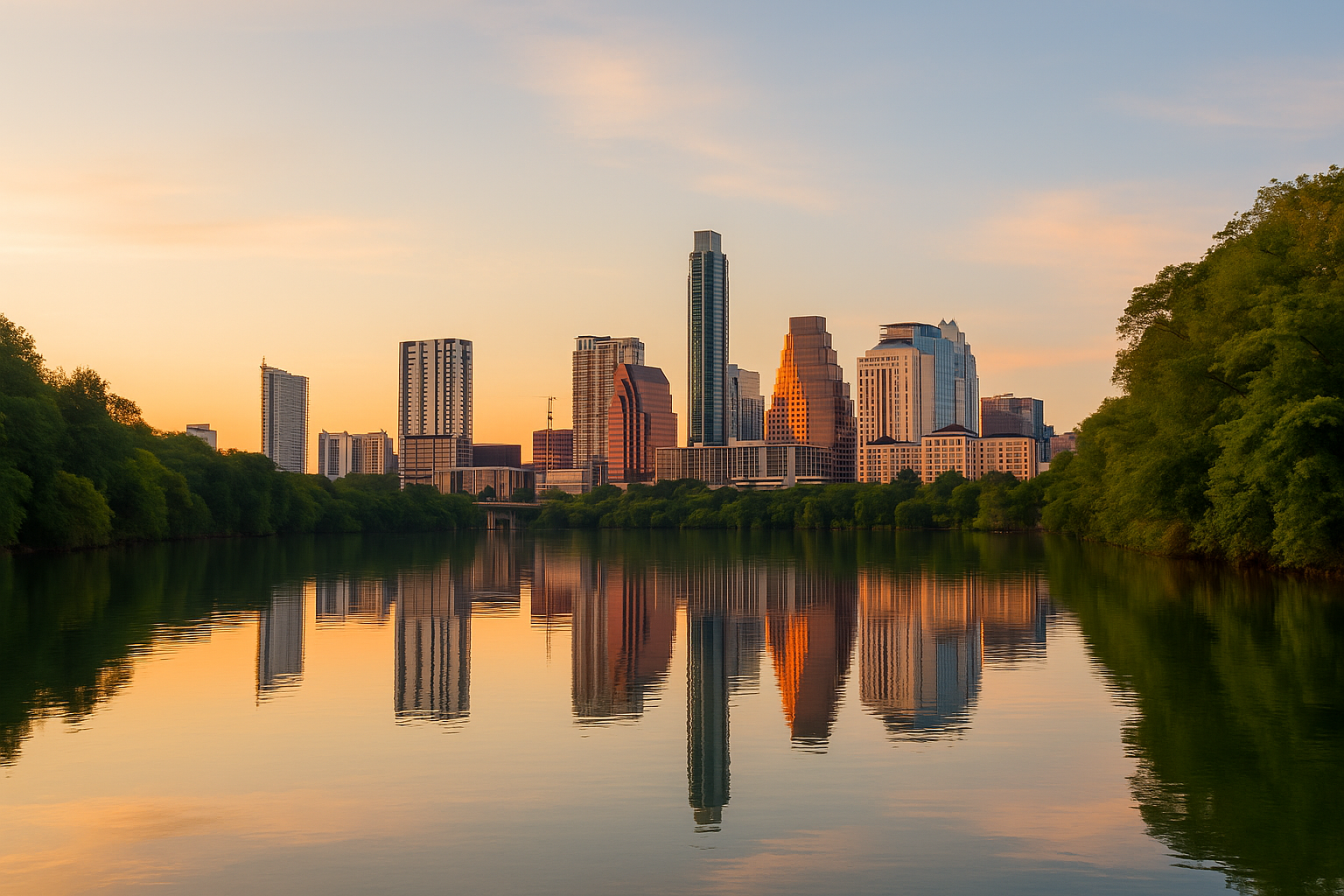
- Morning walks along Lady Bird Lake, where downtown reflections meet calm water.
- Quiet time under the trees at Zilker, where breath and community share space without performance.
- Farmers markets and neighborhood routines, where slowing down reconnects you with real food and familiar faces.
These experiences don’t ask you to chase calm. They create it naturally, simply by giving you room to be present.
Why Slow Living Works Here
Austin never fully lost its human scale. People still greet one another. Conversations happen without urgency. Strangers recommend parks the way old friends would. Mindfulness here isn’t aesthetic — it’s cultural.
When your environment supports calm, calm becomes easier to sustain. You start noticing sunsets again. You choose the longer route home on purpose. You realize that “busy” was never the goal — it was just noise filling the space where attention could live.
Allowing Slowness Without Leaving the City
Slow living in Austin doesn’t require rigid routines or dramatic lifestyle shifts. It often shows up as permission — to begin the day outdoors, to leave space between commitments, to step away from screens when the light feels right.
Community plays a role here, too. Shared spaces built around movement, wellness, and connection help reinforce balance rather than productivity. Places like the Greater Austin YMCA exist not as escapes, but as steady anchors woven into everyday life.
Others find slowness simply by seeking quieter environments — the overlooked corners explored in our guide to quiet spots in Austin, where the city softens without disappearing.
Stillness Inside a Moving City
Even on the busiest days, Austin offers moments of rest. The way light settles on the skyline after rain. Music drifting from a distant porch. A pause at a crosswalk that turns into a breath.
The slow living mindset doesn’t stop motion — it softens it. It allows the city to keep moving while you stay grounded inside it.
This way of living connects naturally with Austin sunrise rituals and the reflections shared in slowing down in Austin. Together, they offer a reminder that peace doesn’t require leaving the city — it requires listening to it.
This piece is written as reflective creative nonfiction, inspired by everyday Austin life. It’s meant for context and connection, not instruction.
