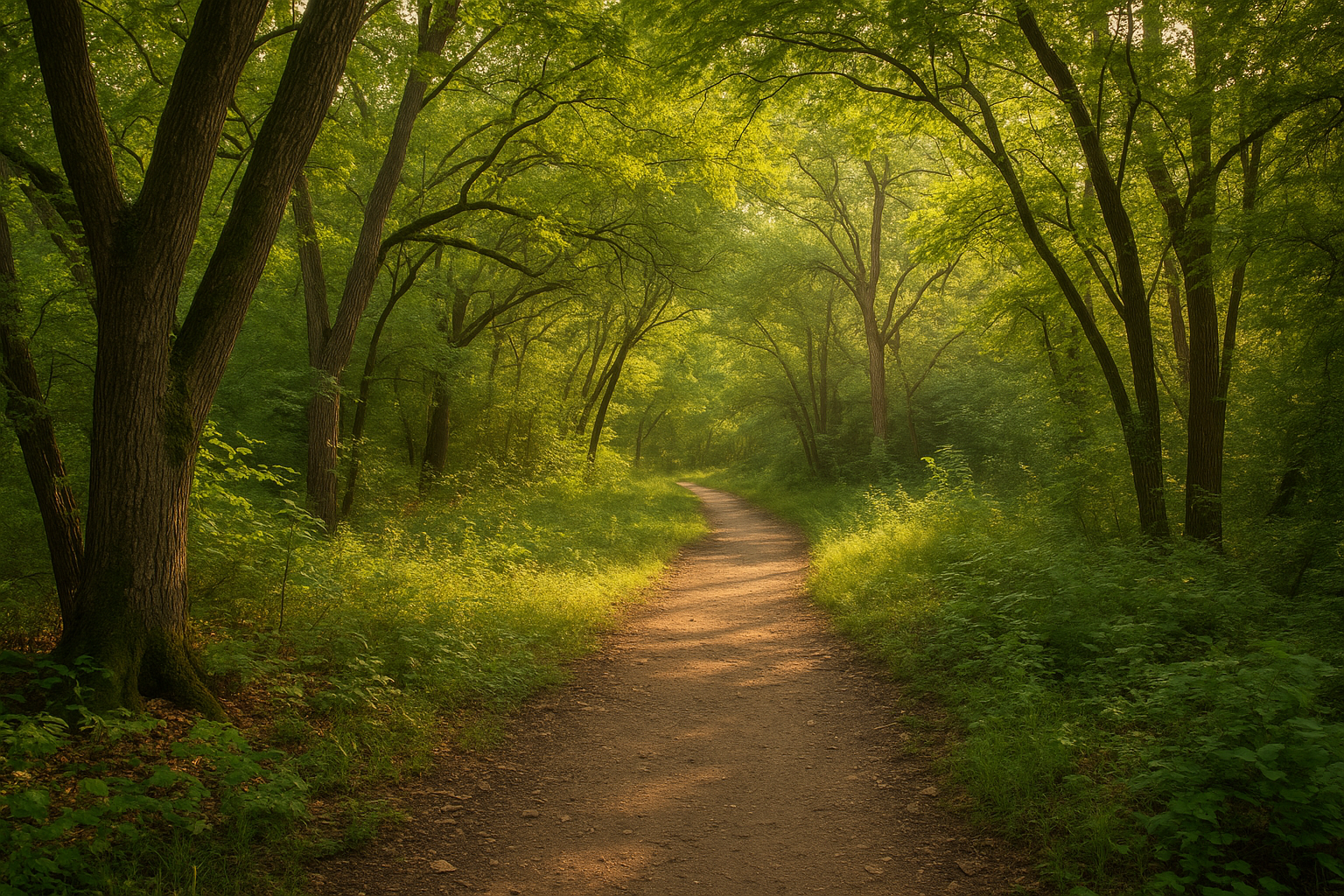
Walking trails in Austin are not just about exercise or mileage. For many people who live here, they are a way to slow the day down, clear the mind, and reconnect with the city without the pressure of planning a full outing.
This guide focuses on walking trails that work well for calm, everyday use — routes that feel approachable, flexible, and easier to enjoy without crowds if you choose the right time.
What Makes a Good Walking Trail in Austin
A good walking trail does not need to be long or scenic in a dramatic way. It needs to be usable.
Trails that stay popular for daily walking tend to share a few traits: multiple access points, loop options, shade, and the ability to leave whenever you want without committing to a destination.
Types of Austin Walking Trails That Work Well
Austin has many trails, but not all of them feel the same. These types tend to work best for slower, more relaxed walks.
- Loop trails that allow you to walk for 15–45 minutes without planning an endpoint.
- Creekside paths that feel cooler and quieter than exposed routes.
- Neighborhood trail segments connected to parks rather than large parking areas.
- Short greenbelt sections near larger systems that most people pass by.
Examples of Walking Trails Locals Use
Rather than ranking trails, these examples reflect the kinds of routes people return to when they want a simple walk instead of an event.
- Neighborhood greenbelts connected to small parks with multiple entry points.
- Short loops within larger parks that allow you to turn back at any time.
- Creek-adjacent trails that stay cooler and feel separated from traffic.
- University-area paths that feel open and walkable outside peak hours.
- Residential connectors between parks that are easy to overlook.
These routes often feel calmer than headline trails because they are part of daily life, not destinations.
When Austin Walking Trails Feel the Best
Timing shapes the experience more than location.
- Weekday mornings before 9am are the most reliable.
- Midday heat in summer clears many trails.
- After rain, foot traffic drops noticeably.
- Early evenings on weekdays feel calmer than weekends.
People who enjoy walking regularly tend to adjust their schedule rather than searching for a perfect trail.
Walking Trails vs. Hiking Trails
Many Austin trails blur the line between walking and hiking. The difference is not the terrain — it is the mindset.
Walking trails allow you to turn around easily, leave early, and walk at a conversational pace. Hiking trails often expect commitment. For everyday use, the ability to step away matters.
How Walking Fits Into Everyday Austin Life
Walking trails offer a way to experience Austin without consuming it. A short walk can reset a day, replace an errand, or provide a pause between responsibilities.
Many locals use trails as routines rather than outings — returning to the same route at different times of day and letting familiarity create calm.
Why Walking Trails Matter More as Austin Grows
As the city becomes busier, walking trails remain one of the few spaces where movement does not feel rushed. They allow people to stay connected to place without needing to spend money or plan extensively.
Knowing where and when to walk makes Austin feel more manageable, even as it changes.
If this approach resonates, you may also enjoy our guides to quiet spots in Austin, hidden parks in Austin, or simple nearby escapes in our Austin day trips guide.
