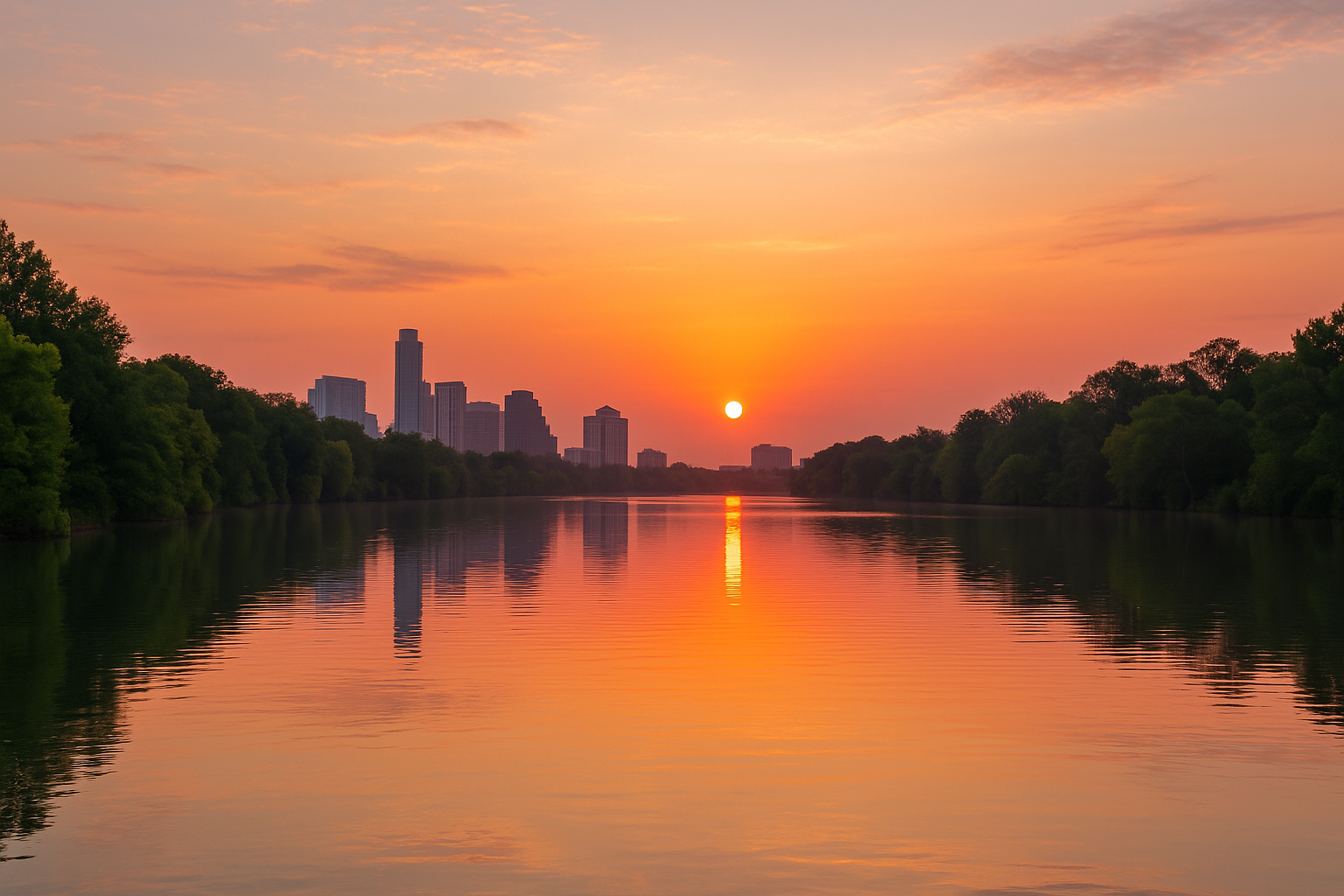
Austin has a rhythm that moves faster than ever. Between morning traffic on I-35, an endless calendar of live music, and the constant hum of construction, it can feel like there’s never a quiet moment left. The city doesn’t pause easily anymore. But even inside that momentum, there are still places — and moments — that make it possible to breathe.
Every growing city reaches a point where its energy starts to spill over. Austin has reached that point. New arrivals, rising density, and packed schedules create a sense of constant motion. It’s easy to mistake busyness for belonging. But many people who live here long-term learn something different: staying grounded often means stepping slightly outside the rush.
Why Austin Feels So Overstimulating Right Now
Austin’s growth hasn’t removed calm — it’s compressed it. Shared spaces fill faster. Routines overlap more tightly. Even familiar places can feel louder than they used to. What people often describe as overwhelm isn’t just noise; it’s the absence of space between moments.
Days stack quickly here. Plans blur together. Attention stays pulled outward. When everything asks for engagement at once, even enjoyable things begin to feel heavy.
This is why calm in Austin rarely announces itself anymore. It shows up quietly, often when expectations drop and timing improves.
Stillness Exists, Even Inside the City
Stillness in Austin isn’t always silence. It’s a feeling of openness — mental or physical — that interrupts the rush. Early mornings along city trails before crowds arrive. A pause near the water when the air cools. A shaded park path when the city feels loud elsewhere.
Many people rediscover this through outdoor resets — short walks, time near the lake, or learning which green spaces still feel usable. Our guide to hidden parks in Austin explores why certain places continue to offer relief while others don’t.
Balance Comes From How You Move, Not Where You Go
What makes Austin unique is its ability to hold contradictions — energy and ease, ambition and pause. A balanced life here doesn’t require escape. It requires flexibility.
A crowded morning can coexist with a quiet afternoon. A busy evening can end with stillness at home. The city doesn’t need to change for balance to exist — your relationship to its pace does.
This rhythm between movement and rest is what allows people to stay connected without burning out. Too much noise drains you. Too much withdrawal disconnects you. Living well happens in between.
Small Shifts That Change the Feel of the City
You don’t have to leave Austin to find relief. Starting the day earlier. Choosing slower routes. Spending time outside without distractions. Letting go of plans when the week feels heavy. These small adjustments quietly restore space inside a city that rarely asks for it.
This approach connects closely with quiet living in Austin, where calm is shaped by timing, awareness, and choosing what not to chase.
Why Slowing Down Isn’t Giving Up
Choosing calm doesn’t mean disengaging from the city. It means letting Austin work for you instead of constantly reacting to it. Some of the most grounding moments here cost nothing — watching the bats at dusk, listening to street musicians, sitting near the water without an agenda.
If you need reminders of what’s available when plans fall apart, free things to do in Austin explores experiences that reconnect you without adding pressure.
The noise will always exist. So will the stillness. Austin hasn’t lost its calm — it’s simply learned to move differently. Following that slower rhythm, even briefly, is often enough to remember why the city still feels like home.
This reflection is inspired by lived experience and observation. It’s written as narrative context, not a guide or directive.
