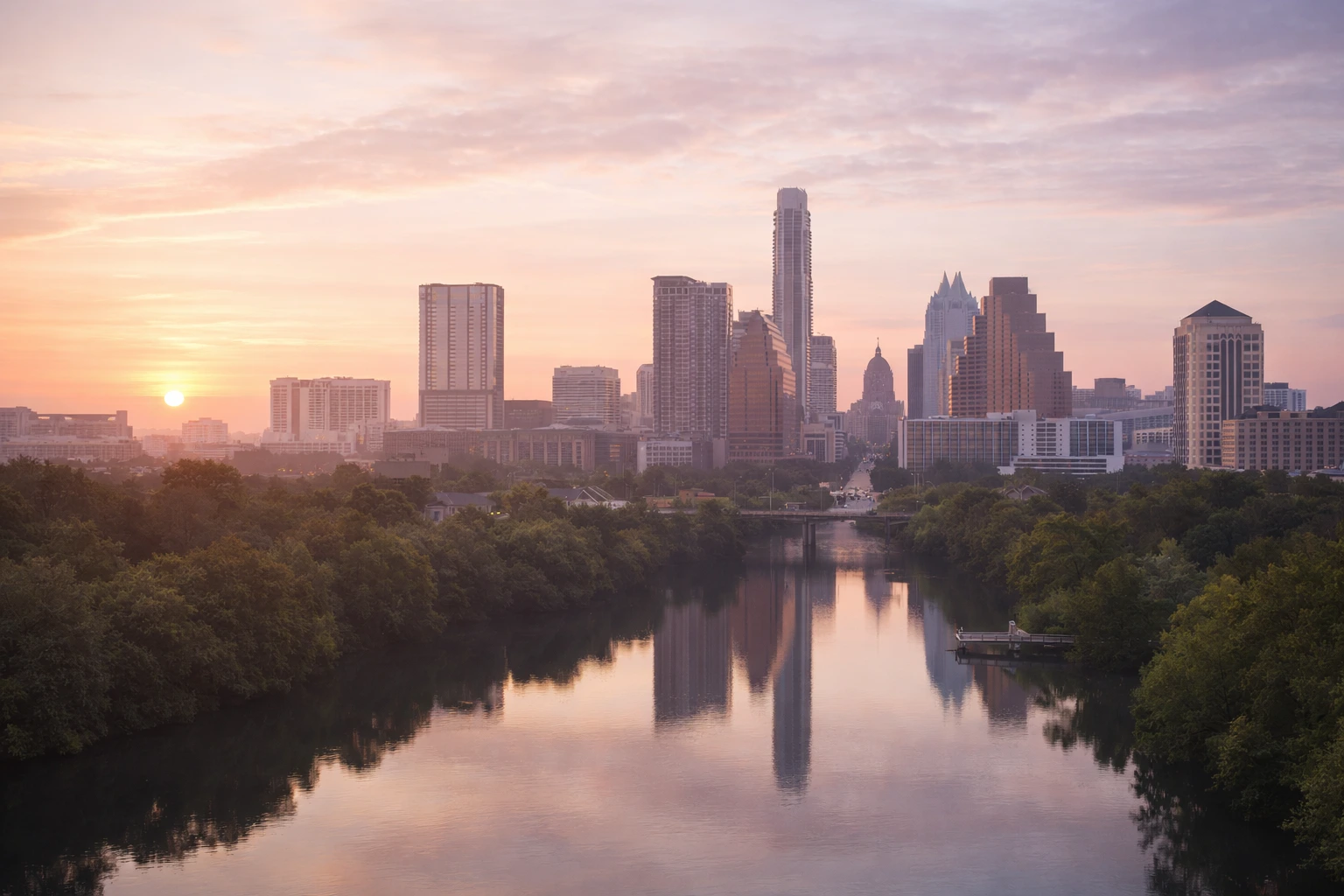
Quiet living in Austin isn’t about escaping the city or opting out of everything that makes it vibrant. It’s about learning how to live well inside the noise. As Austin has grown faster, louder, and more compressed, calm has become less about location and more about awareness — when you move, where you pause, and what you choose not to chase.
This page isn’t a list of places or tips. It’s a way of understanding how people who live here create breathing room, protect their energy, and stay grounded without leaving Austin behind.
Why Quiet Living Matters More in Austin Now
Austin used to absorb growth easily. Today, shared spaces fill faster, routines overlap more tightly, and even familiar places can feel overstimulating. Quiet hasn’t disappeared — it’s been compressed. What once happened naturally now requires intention.
For many people, this shift shows up as background fatigue. Not exhaustion from doing too much, but from constant exposure — noise, movement, decision-making, and expectation layered on top of daily life.
Quiet living isn’t about slowing the city down. It’s about adjusting how you move through it so daily life stays sustainable.
When Austin feels busy, quiet living becomes less of a preference and more of a survival skill — a way to stay engaged without burning out.
What Quiet Living Actually Looks Like
In practice, quiet living in Austin rarely means silence. It means fewer demands on your attention. Less rushing. Fewer decisions stacked back-to-back. Sometimes that comes from being outdoors. Other times it comes from choosing spaces and moments that don’t require performance or productivity.
People who live this way aren’t seeking perfection or isolation. They’re building margins — small buffers that make the city feel usable again.
This often shows up as simple shifts: arriving earlier, leaving sooner, choosing one meaningful activity instead of several rushed ones, or allowing time to pass without filling it.
Finding Calm Outdoors Without Leaving the City
Green space plays a major role in quiet living, but not all parks or trails serve the same purpose. Some places absorb crowds easily. Others only work during certain hours. Learning how outdoor space functions is often more important than discovering new locations.
People who regularly find calm outdoors tend to pay attention to patterns — entrances that stay overlooked, times when foot traffic drops, and places that don’t signal themselves as destinations.
This awareness is why some people consistently experience calm while others feel crowded in the same spaces. Quiet is often about timing, not discovery.
For a deeper look at how this works in practice, explore our guide to hidden parks in Austin, which explains why some green spaces still feel usable while others don’t.
Quiet Doesn’t Always Mean Nature
Some of the calmest moments in Austin happen indoors. Coffee shops that don’t chase volume. Libraries that welcome lingering. Low-traffic spaces designed without urgency. These environments don’t advertise themselves as quiet — they simply don’t compete for attention.
This kind of quiet often feels different than outdoor stillness. It’s mental relief rather than physical escape — space to think without interruption.
If slower indoor environments resonate with you, our guide to hidden Austin cafes explores why certain spaces still feel grounded while others feel overstimulating.
Timing Is the Foundation of Quiet Living
In Austin, when you do something often matters more than where. Early mornings, weekday lulls, post-rain resets, and off-peak hours create space that doesn’t exist later in the day. Quiet living is built by aligning with these rhythms rather than pushing against them.
This is why many people feel most grounded earlier in the week or during transitional moments. Pages like why Austin feels calmer earlier in the week explore how timing alone can change how the city feels.
Even familiar places transform when demand drops. The city doesn’t change — your experience of it does.
Living Well Without Constant Spending
Quiet living often overlaps with lower-cost living — not because of budgeting strategies, but because calmer experiences tend to be simpler. Walks instead of events. Pauses instead of purchases. Presence instead of stimulation.
When expectations soften, spending often follows. Many people rediscover enjoyment through moments that don’t require tickets, reservations, or planning.
Austin still offers many ways to feel connected without spending money, if expectations stay grounded. Our guide to free things to do in Austin looks at when no-cost experiences actually support calm — and when they don’t.
Quiet Living Is a Practice, Not a Destination
There’s no single way to live quietly in Austin. It’s a series of small choices — when to arrive, when to leave, where to pause, and what to ignore. Over time, those choices shape a rhythm that feels less reactive and more intentional.
Quiet living doesn’t remove you from the city. It changes how the city meets you.
This site exists to explore that rhythm — not as an escape from Austin, but as a way to remain fully present in it.
This page is written as reflective editorial content inspired by everyday Austin life. It’s meant for understanding and connection, not instruction.